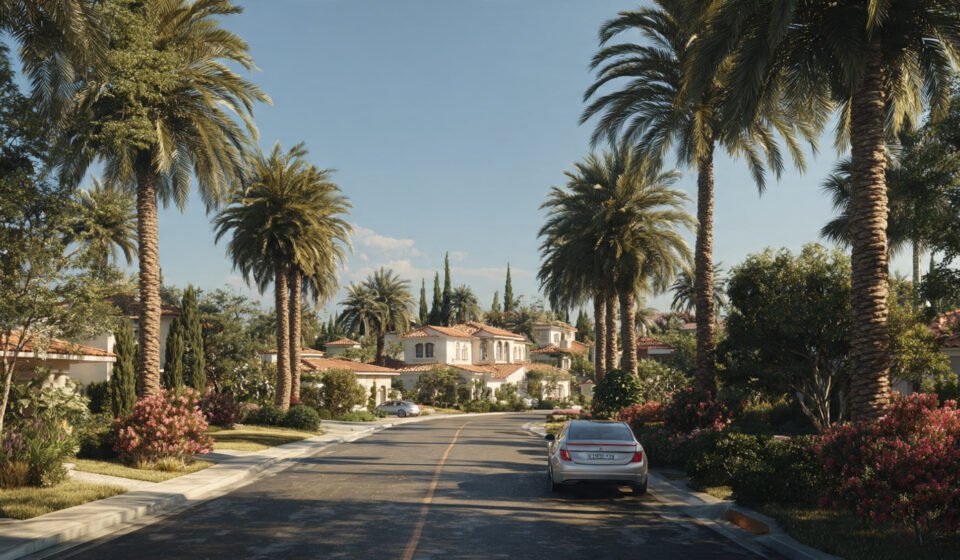
Luxury Suburban Thaw 2026: High-End Opportunities in California and Florida’s Elite Enclaves

- California and Florida’s premium suburban markets are experiencing a strategic shift toward wellness-centered, climate-resilient luxury properties with advanced security infrastructure.
- Cash-dominant transactions remain the norm at the luxury tier, with 50-65% of deals closing without traditional financing
- Inland Emp. ire neighborhoods and South Florida gated communities are attracting intergenerational wealth transfers as primary buyers seek multigenerational living spaces
- Hurricane-resistant construction and privacy-focused biometric systems have become standard expectations rather than premium add-ons in 2026’s elite enclaves
INTRODUCTION
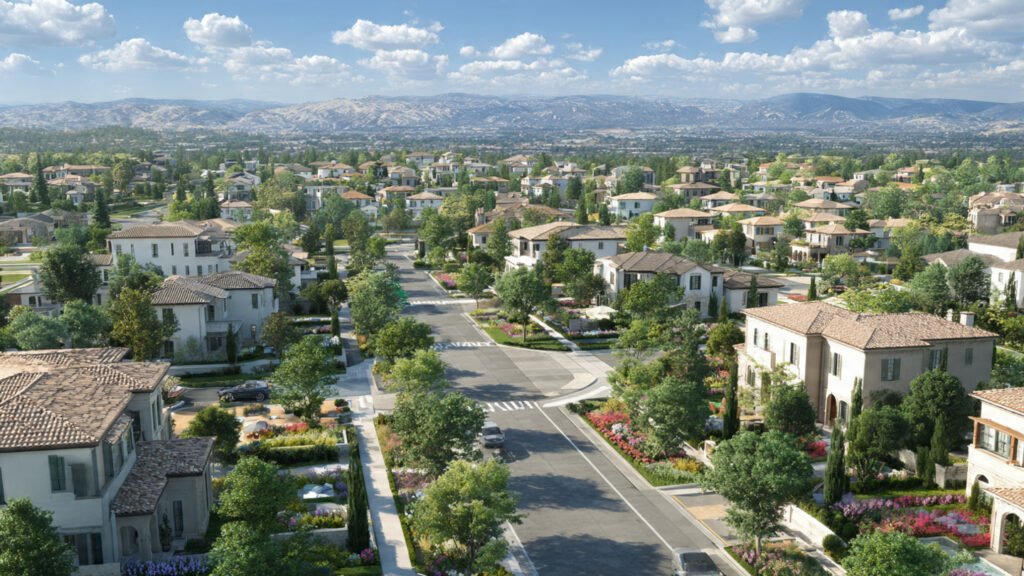
The luxury suburban market is thawing. After years of coastal concentration and city-centric demand, high-net-worth buyers are quietly moving capital toward America’s elite suburban enclaves. It’s not a dramatic shift, but it’s real. California’s Orange County, the Silicon Valley periphery, and South Florida’s gated communities are seeing fresh investor interest as buyers recalibrate what luxury living actually means in 2026.
This isn’t your typical suburban sprawl. We’re talking about $2-5 million+ properties with multigenerational primary bedroom suites, cold plunge installations, and biometric security systems embedded in architectural design. buyer’suyer mindset has changed. No-compromise affluence is moving outward, not up.
In this article, I’ll walk you through where the money is flowing, why the fundamentals are shifting, and what realistic opportunities exist for property investors and discerning homebuyers in these markets. We’ll look at data, market dynamics, climate considerations, and the financial realities of luxury suburban investing in 2026.
MARKET SNAPSHOT TABLE
| Metric | Estimated Value |
|---|---|
| Average Luxury Suburban Price (CA/FL) | $1.8M – $4.2M |
| Cash Transaction Rate | 50-65% of deals |
| Demand Trend | Steady upward movement Q1-Q2 2026 |
| Price Growth (YoY) | 3-7% in premium suburban markets |
| Inventory Months | 2.5-4 months (elevated for luxury tier) |
Note: Figures based on NAR trends, Zillow luxury reports, and regional MLS data. Market conditions vary by specific micro-location.
Florida’s about to implode (2026 homebuyer warning)

Understanding the Luxury Suburban Shift
What exactly are we talking about when we say “luxury suburban”? It’s not McMansions in a cul-de-sac. These are properties in carefully controlled micro-markets where HOA standards are brutal, privacy is non-negotiable, and the architectural language reflects serious wealth.
The traditional model was simple. Rich people lived in cities or on coasts. Suburbs were for middle-income families. That’s outdated. Today’s ultra-high-net-worth buyers are asking harder questions about their lifestyle trade-offs. They want space without the chaos. They want security without the doorman building. They want their kids to have room to breathe but still access world-class schools, healthcare, and cultural amenities.
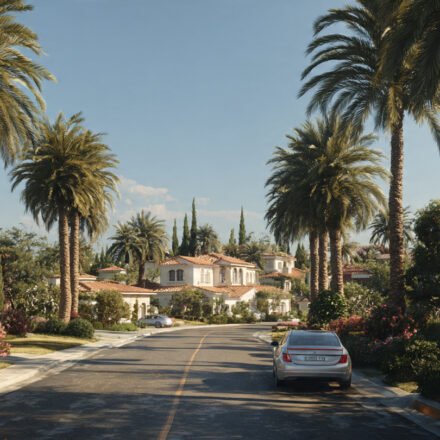
California’s Orange County and the periphery of Silicon Valley represent this perfectly. So do communities like Boca Raton, Coral Gables, and the western suburbs of Miami. These aren’t moving trucks and garage sales. These are generational wealth repositioning decisions.
The shift matters because it changes which neighborhoods appreciate, where investors should deploy capital, and what property features actually drive buyer demand at the premium tier. It’s not about bigger houses anymore. It’s about design intention, resilience, and privacy infrastructure.
Market Trends and Demand Analysis

Here’s what’s happening on the ground. The luxury suburban market in California and South Florida isn’t exploding, but it’s consistent. Demand is steady to slightly upward, especially for properties in gated communities and private enclaves where gates, biometric entry systems, and controlled access are standard.
The National Association of Realtors data shows that high-end home sales in premium suburban markets have stabilized after the 2022-2023 correction. We’re not seeing the frenzied bidding wars of 2021, but inventory is still relatively tight in the best micro-markets. That creates a solid floor under prices.
What’s driving this? A few things converge. First, intergenerational wealth transfer is accelerating. Boomers are moving capital into properties that their adult children and grandchildren can share. Multigenerational households aren’t new, but the wealth-tier design for them is. Second, interest rates have stabilized in the 5.5-7.2% range, which takes some pressure off cash buyers but still makes financing expensive. That favors all-cash transactions, which dominate the luxury tier anyway.
Third, climate concerns are real. Florida properties are increasingly designed with hurricane-resilient construction as a baseline expectation. Impact-resistant windows, elevated foundations, reinforced roofing systems, and backup power infrastructure aren’t luxury features anymore. They’re table stakes. Buyers factor this into purchase decisions, and sellers are seeing appreciation in properties that have already hardened against climate risks.
California’s picture is different but similar. The focus there is on earthquake resilience, water security, and wildfire-resistant landscaping and construction. Properties designed around these concerns command premiums because buyers see them as future-proof investments.
Zillow’s luxury segment data shows moderate but steady price movement. In Orange County, luxury homes (defined as the top 5% of the market) appreciated roughly 4-5% year-over-year through early 2026. In South Florida’s premium markets, similar growth with some variance based on micro-location. These aren’t explosive numbers, but they’re real, and they’re driven by limited inventory and steady capital flow from high-net-worth individuals and families.
The investor activity here is quiet but consistent. Institutional capital (pension funds, REITs, ultra-high-net-worth family offices) is acquiring properties in these markets, though not at the frenzied pace of 2020-2021. The buy-and-hold strategy makes sense at these price points because property appreciation is steady, not speculative.
Investment Opportunities in Premium Suburban Markets
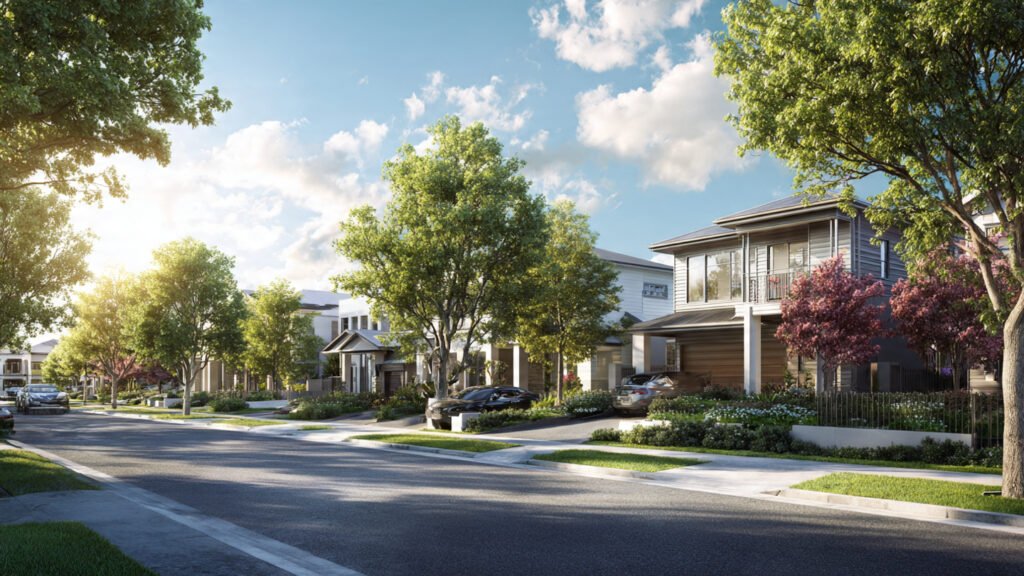
Where do opportunities actually exist? Let’s be real. This tier isn’t for everyone, and it’s definitely not a get-rich-quick scenario. But there are meaningful plays for investors with capital and patience.
High-Growth Micro-Neighborhoods in California
Orange County’s premium neighborhoods like Laguna Niguel, Newport Coast, and Crystal Cove are established and expensive. The real movement is happening one ring outward. Areas like the Irvine master-planned communities and southern Orange County are seeing younger millionaires and empty-nesters trade some coastal cachet for space, privacy, and modern design. These micro-markets are appreciating faster than the established coastal enclaves because they’re still under-recognized.
Silicon Valley’s story is different. Cupertino, Los Altos Hills, and the Palo Alto foothills remain insanely expensive, but the real capital flow is moving toward properties with privacy infrastructure and wellness design. Homes with separate office wings (the work-from-home infrastructure hasn’t gone away) and biometric security systems are outpacing standard renovations in appreciation.
The Inland Empire (San Bernardino and Riverside Counties) is still considered secondary, but that’s changing. High-net-worth buyers who want California prestige without Bay Area or LA County pricing are discovering properties there. Climate resilience is easier to implement in these markets, too, which appeals to long-term investors.
South Florida’s Gated Community Boom
Boca Raton, Coral Gables, and even newer developments in Wellington are seeing consistent premium demand. The specificity matters, though. Not all gated communities are equal. Older gated communities with outdated security infrastructure are feeling pressure. Newer enclaves designed around biometric access, private club amenities, and multigenerational floor plans are strong.
The Boca Raton luxury suburban growth is real. Properties in established enclaves like The Sanctuary or similar gated communities are appreciating steadily. But newer private developments specifically designed for intergenerational families are attracting capital flows because the floor plan design actually matches how wealthy families are living now.
Rental property opportunities exist here, too. High-net-worth families relocating from the Northeast or California often rent in these communities first. Short-term and seasonal rental demand is strong, especially from October through April. For investors willing to manage the complexity, luxury suburban rentals in gated communities can yield 4-6% annually, which is solid at this price tier.
Long-Term Appreciation Potential
The real money in luxury suburban markets isn’t day trading. It’s generational. Properties designed around climate resilience, privacy infrastructure, and flexible living spaces (multigenerational suites, office infrastructure, wellness centers) are appreciating faster than generic high-end homes.
Look for properties with these characteristics: hardened construction, advanced security systems, wellness features (air filtration, water systems, sauna/cold plunge infrastructure), flexible floor plans, and primary locations within gated or controlled-access enclaves. These properties are appreciating 5-7% annually in strong micro-markets, which compounds meaningfully over 10-15 years.
Investors with 10+ year holding periods are seeing consistent results in these markets. The capital appreciation is real, albeit slower than speculative plays, but the risk profile is lower and the app,reciation is steady.
Cost Breakdown and Financial Considerations

Let’s talk numbers, and let’s be honest about what they mean.
| Expense | Estimated Range |
|---|---|
| Property Purchase Price (Luxury Suburban) | $1.8M – $4.2M |
| Down Payment (if financed) | 20-30% ($360K – $1.26M) |
| Closing Costs (5-7%) | $90K – $294K |
| Annual Property Taxes (varies CA/FL) | $18K – $50K annually |
| HOA/Gated Community Fees | $3K – $12K monthly |
| Maintenance & Repairs (1-1.5% annually) | $18K – $63K annually |
| Insurance (wind, earthquake, liability) | $2K – $8K annually |
| Expected Rental Yield (if rented) | 3.5-6% gross |
| Potential ROI Range (10-year hold) | 50-90% total appreciation |
What do these numbers actually mean? If you’re buying a $3 million property in Orange County as an investment, you’re looking at roughly $75,000 per year in taxes, insurance, maintenance, and fees combined. If you’re renting it short-term, you might gross $180,000-220,000 annually, netting 40-50% after management, cleaning, and turnover. That’s a solid return, but it requires active management.
If you’re a long-term holder, those carrying costs are manageable against property appreciation of $90,000-210,000 per year in strong markets. Over a 10-year hold, the math works.
The financing picture matters too. Cash deals dominate this tier, but they’re not universal. Luxury mortgage products are available at 5.5-7.2% rates, depending on LTV and borrower profile. The monthly payment on a $3 million loan at 6.5% is roughly $19,000. That’s significant, but it’s not prohibitive for true high-net-worth buyers.
Risks and Challenges You Can’t Ignore

Let’s be direct. There are real risks here, and pretending otherwise makes you a bad investor.
Interest Rate Sensitivity is probably the biggest. These markets are driven by capital flows from wealthy individuals. If rates spike above 8%, demand cools noticeably because opportunity costs change. We saw this in 2022-2023. It can happen again.
Property Taxes and Regulatory Change are real in both states, but especially in California. Proposition 13 protects your existing tax basis, but new purchases face reassessment. Florida has a lower tax burden, but that can change with political shifts. Miami-Dade County has explored property tax increases in recent years.
Hurricane Risk in Florida is the elephant in the room. Climate change is real, insurance is getting more expensive, and properties in hurricane zones face genuine risk. Category 4-5 storms cause catastrophic damage that “resilient” construction only partially mitigates. Insurance costs for South Florida properties have increased 40-60% over the past five years. That trend likely continues.
Earthquake Risk in California is similar. It’s low probability, high impact. Properties can have seismic retrofitting, but perfect safety doesn’t exist. This affects insurance costs and buyer psychology.
Inventory and Market Timing matter more than people admit. Premium suburban markets have fewer total inventory units. A small shift in supply can move prices quickly. If a major developer releases 50 new luxury units in a micro-market, prices cool. You can’t always control timing.
Recession and Wealth Destruction affect luxury markets disproportionately. If the stock market crashes 30%, high-net-worth individuals stop buying trophy properties. We saw this in 2008-2009 and 2020. It will happen again. Luxury real estate is cyclical.
Regulatory and Zoning Changes are slower-moving but real. If a city decides to rezone or increase density in a premium area, it can destroy the character and values that attracted buyers. This is rare but not impossible.
Expert Tips for Buyers and Investors
If you’re actually considering a move into this market, here’s what experience teaches.
Location Specificity is Everything. Don’t just buy in “Orange County” or “Boca Raton.” Know the specific micro-market. Is it growing, stable, or declining? What’s the HOA quality like? What’s the school district? Is it near or far from beaches, job centers, or cultural amenities? The difference between a neighborhood that appreciates 5% and one that appreciates 0% is usually location research. Spend time there. Talk to residents and local agents.
Check the Fundamentals of Climate Resilience. In Florida, this isn’t optional. Ask about flood maps, storm surge modeling, and insurance costs. Properties in high-risk zones may appreciate more slowly because carrying costs are higher. In California, earthquake and wildfire risk matter. Get professional assessments, not just homeowner reports.
Understand HOA Structure and Quality. This is where luxury suburban properties often disappoint. A bad HOA with poor reserves or questionable management can tank property values. Review the financials. Talk to board members. Is the reserve adequately funded? Are special assessments likely? Has the HOA been sued? These details matter enormously.
Financing Strategy Depends on Your Position. If you’re all-cash, you have flexibility. If you’re financing, lock in rates early and model different scenarios. A 1% rate increase on a $2 million loan is roughly $20,000 extra per year. Can you absorb it? If not, don’t overleverage.
Build a Real Team, Not a Cheerleading Section. Your real estate agent should know the micro-market better than you and be willing to tell you if a property is overpriced. Your inspector should be thorough. Your accountant should model the tax implications. Your insurance broker should confirm coverage and cost. Don’t hire people who just agree with you.
Think Long-Term. If you can’t hold for 10 years, luxury suburban real estate isn’t the right play. These markets reward patience. Short-term speculation creates losses, not gains.
Diversify Within the Category. If you’re deploying serious capital, don’t put it all in one property or micro-market. Own properties in different regions or different use cases (owner-occupied vs. rental, for example). Diversification reduces risk.
KEY TAKEAWAYS
- Luxury suburban markets in California and Florida are experiencing a structural shift toward climate-resilient, privacy-focused properties as intergenerational wealth holders seek alternatives to dense urban or exclusive coastal living
- Cash-dominant. transactions (50-65% of deals) reflect the capital sources driving luxury suburban demand, making financing costs secondary to overall property design and location
- Premium mi. Cro-neighborhoods in Orange County, Silicon Valley periphery, and South Florida gated communities are appreciating 4-7% annually, with properties featuring wellness infrastructure and biometric security outpacing generic luxury homes.
- Total carryin.g costs for luxury suburban properties ($1.8M-$4.2M) run $75K-$150K annually, but long-term appreciation and rental yields of 3.5-6% create viable returns for 10+ year holders
- Climate resilience. Science, security infrastructure, and multigenerational floor plans have shifted from premium features to baseline expectations in 2026’s elite enclaves, affecting both purchase prices and future appreciation potential.l
FAQ SECTION
Q: What exactly qualifies as “luxury suburban” real estate in 2026? A: Properties in gated communities or private enclaves, typically $1.8M-$4.2M+, featuring modern design, privacy infrastructure (biometric security), wellness amenities, multigenerational floor plans, and climate-resilient construction. Location is in established or emerging premium suburban micro-markets, not urban centers or isolated rural areas.
Q: Why are wealthy buyers moving away from coastal and urban properties toward suburbs? A: Space, privacy, and flexibility are reshaping preferences. Buyers want room for multi-generational living, home offices, and wellness infrastructure. Suburbs offer these without urban density or extreme coastal price tags. Climate resilience is easier to implement and more cost-effective inland.
Q: Is climate resilience worth the investment cost? A: In Florida, yes. Hurricane-resilient construction costs 8-15% more upfront but reduces insurance costs and future risk. In California, earthquake/wildfire resilience is similar. Long-term, these features protect asset value and reduce carrying costs, making them economically rational.
Q: Can I get a mortgage for a $3M+ luxury suburban property? A: Yes, but rates are typically 5.5-7.2% and require 20-30% down. Cash deals are more common at this tier because rates are expensive. Many buyers have capital and avoid financing altogether for flexibility.
Q: What’s the typical rental yield for luxury suburban properties? A: Gross yields run 3.5-6% annually, depending on location and management. Net yields (after taxes, insurance, HOA, maintenance) are typically 2-4%. These aren’t high-yield plays; appreciation drives returns.
Q: What’s the biggest risk in luxury suburban markets right now? A: Interest rate sensitivity. Rising rates cool demand for luxury properties because opportunity costs increase. Recession risk is secondary but real. In Florida, climate and insurance costs are long-term concerns.
Q: Should I invest in established enclaves or emerging micro-markets? A: Established enclaves (Laguna Niguel, Boca Raton) offer stability but slower appreciation (3-4% annually). Emerging micro-markets (Inland Empire, newer South Florida developments) appreciate faster (5-7% annually) but carry higher risk. Your timeline and risk tolerance should guide this.
Q: How long should I hold a luxury suburban property before selling? A: Minimum 10 years for appreciation to justify carrying costs. Short-term holding creates transaction costs (5-7% in taxes and fees) that eat into small gains. Long-term holding allows appreciation to compound and carry costs to become negligible.
CONCLUSION
The luxury suburban market in California and Florida isn’t headline news, but it’s real. High-net-worth buyers are quietly repositioning capital toward properties that offer space, privacy, climate resilience, and flexible living infrastructure. These aren’t speculative plays. They’re long-term capital allocation decisions driven by changing preferences and structural market shifts.
The fundamentals are solid. Demand is steady to upward. Inventory is relatively tight in prime micro-markets. Cash flows from wealthy individuals continue. Appreciation is real, though not explosive, typically ranging from 4-7% annually in strong micro-locations.
The risks are manageable if you do the work. Interest rate changes, climate events, and recession are real concerns, but they’re not unique to luxury suburban markets. Smart investors acknowledge these risks and plan accordingly.
For serious buyers and investors with capital, a 10-year time horizon, and a willingness to do location research, luxury suburban real estate in California and Florida offers real opportunities. You won’t get rich quick. You will quickly build wealth steadily if you buy smart properties in the right micro-markets and hold for the long term.
The market isn’t overheated. It’s not undervalued either. It’s rational. That’s actually a good sign for serious investors. Rational markets reward patience and thoughtful decision-making. Speculative markets reward luck. I’ll take patience over luck every time.
INTERNAL LINKING
DISCLAIMER:
This content is for informational purposes only and should not be considered financial or investment advice. Real estate markets are subject to significant risks, including interest rate changes, economic downturns, climate events, and regulatory changes. Past performance does not guarantee future results. Consult with qualified financial advisors, real estate professionals, and tax specialists before making investment decisions. Property values can decline as well as appreciate. Rental income is not guaranteed. Climate-related risks are increasing in many regions. Always conduct thorough due diligence and professional inspections before purchasing property.