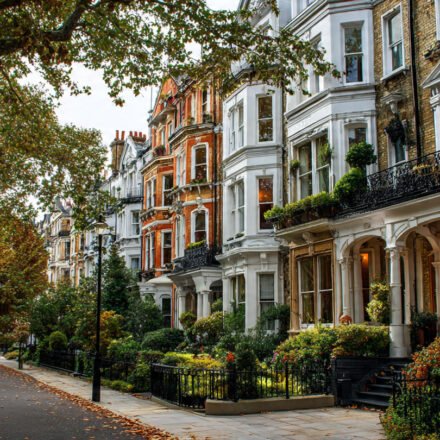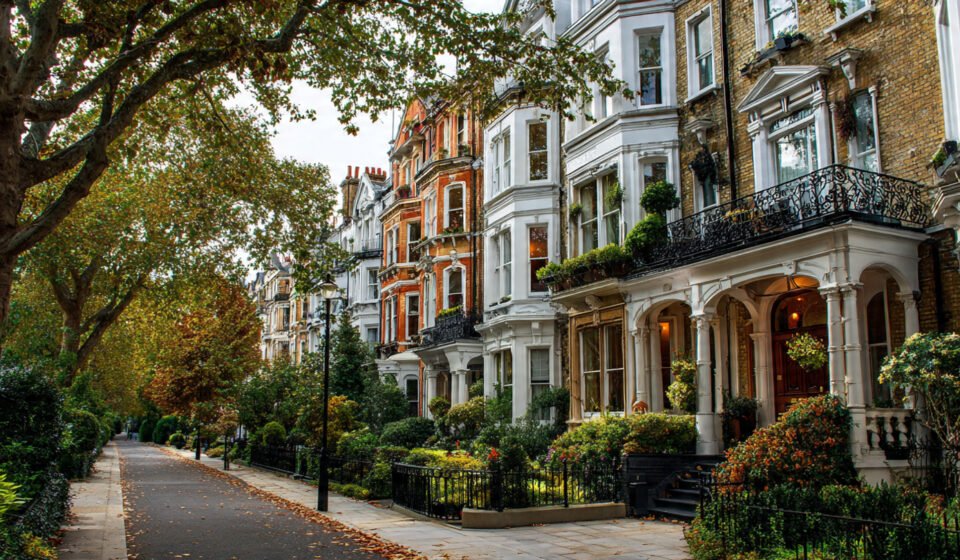

- Luxury home staging and smart property marketing strategies help sellers achieve above-asking prices in London’s competitive 2026 market.
- Premium buyers expect EPC upgrades, Elizabeth Line proximity, and video-led property storytelling before scheduling viewings
- Off-market luxury listings and discreet marketing appeal to high-net-worth individuals seeking privacy and exclusivity
- Turnkey properties with sustainable renovations and biophilic design elements command faster sales and premium valuations
Introduction
London’s property market is shifting fast. If you’re selling a home here in 2026, you’re dealing with a very different landscape than even two years ago. Buyers have gotten pickier. They want homes that feel complete, look stunning online, and fit their lifestyle. They’re also more cautious about money.
This isn’t just about listing your property and waiting for offers to roll in. The best sellers in London right now are being strategic. They’re staging homes for impact. They’re telling their property’s story through video. They’re pricing smart. And they’re reaching the right buyers through channels that actually work.
What you’ll learn in this article covers real tactics. Not hype. Not promises of overnight sales. Just what sellers in prime central London, South West London, and beyond are actually doing to move properties fast and maximize their return. We’ll walk through staging trends, marketing approaches, pricing psychology, and how to position your home to appeal to premium buyers who have serious money and serious expectations.
Market Snapshot Table
| Metric | 2026 Status |
|---|---|
| Average Prime Central London Price | £2.2M – £3.8M+ |
| Rental Yield (London Average) | 3.5% – 4.2% |
| Demand Trend | Stabilizing after 2024-2025 volatility |
| Price Growth (YoY) | +2% to +4% in prime zones |
How to Sell Your House in 2026 (UK): Pricing, Viewings, Competition & Agent Mistakes

Understanding the Current London Market
London’s real estate game has fundamentally changed. The days of simply listing a property and getting multiple offers within a week are mostly over. The market’s stabilized. What’s happened instead is that good properties with smart marketing still move fast. Bad ones sit.
The reason? London’s premium buyers have tons of choices. Someone with £2 million to spend on a Kensington apartment isn’t desperate. They can wait for the right property. That means sellers need to make their homes absolutely worth their time.
The post-Budget clarity we got in 2024 and 2025 has actually helped. There’s less guessing about tax changes and stamp duty. That’s made high-net-worth buyers more confident. They’re moving forward on purchases again. But they’re selective.
What’s interesting is the pied-à-terre resurgence. London’s seeing more international buyers who want a second home here. A place for when they’re in the city on business or for the season. These buyers care less about proximity to schools. They care more about location prestige, security, and how the space feels when they walk in.
Market Trends Reshaping London Property Sales

Several forces are reshaping how properties sell in London ri.ght now. Understanding them changes how you approach your own sale.
Elizabeth Line Impact
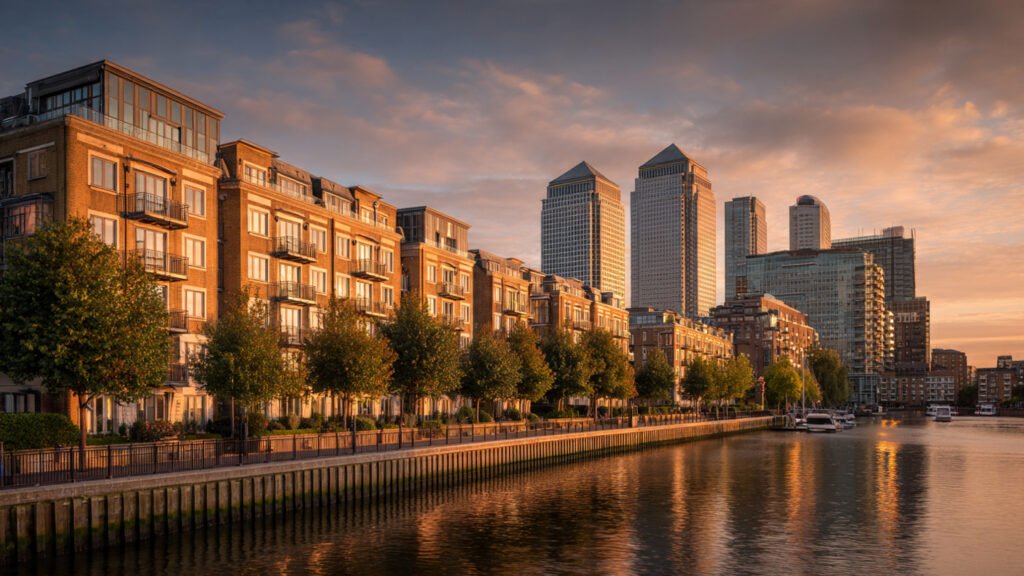
The Elizabeth Line opened in May 2022, but we’re still seeing its true effects on property values in 2026. Homes within walking distance of Elizabeth Line stations are outperforming the broader market. People are paying premiums for 20-minute commutes to Canary Wharf or the City instead of 45 minutes on older lines.
If your property sits near an Elizabeth Line stop, that’s a genuine selling advantage. Buyers know what that means for their commute. For their time. For their lifestyle quality. Lead with that.
Biophilic Design and Wellness Features
I’m seeing a real shift toward homes that feel connected to nature. Large windows. Indoor plants. Natural materials. Outdoor space that’s actually usable. Buyers want homes that make them feel better. Not just homes where they sleep.
This matters for staging and the property marketing strategy. If your home has great light, garden space, or views, those become central to your story. Not afterthoughts.
Smart Home Cybersecurity Concerns
Here’s something most sellers miss. Premium buyers care about smart home systems. Automated lighting. Climate control. Security cameras. But they’re paranoid about cybersecurity. They don’t want someone hacking their home network.
If you’re including smart home features in your marketing, mention that the system uses enterprise-grade encryption and is regularly updated. It sounds small. It’s actually a dealmaker for wealthy buyers.
Sustainable Renovations as a Status Symbol
Luxury renovations used to mean Italian marble and gold fixtures. Now they mean heat pumps. Solar panels. Triple-glazed windows. Buyers care about carbon footprints. They also like lower energy bills.
If you’ve done sustainable upgrades, you’ve got premium positioning. Solar installations, heat pump systems, and high-performance insulation are selling points that appeal to the environmentally conscious and the budget-conscious alike.
EPC Ratings Matter More Than Ever
Properties with poor EPC ratings are struggling to sell. Buyers see a D rating and think “expensive heating bills” or “future regulatory hassles.” Getting your EPC upgraded from D to C or B is genuinely worth the investment before listing.
This isn’t just about compliance. It’s about perception. A good EPC score says you’ve maintained and improved the property. It says you’re not selling a problem.
Premium Buyer Preferences in 2026

Who’s actually buying in London right now? Understanding this changes everything about how you market your property.
International Wealth Migration
London’s attracting money from specific regions. Middle East. Singapore. Hong Kong. Russia (where it’s legally possible). These buyers often want spaces that feel like investments and sanctuaries combined. They want beauty. Security. Privacy. Location prestige that translates globally.
They’re not looking at property listings on Rightmove the way domestic buyers do. They work with discrete agents. They see properties off-market. They expect personalized service and confidentiality.
The Flexibility Buyer
Post-pandemic, more buyers want homes that adapt. A space that works as a home office. A separate guest suite. Entertainment areas for hosting. Gym space or yoga rooms. These aren’t luxuries anymore. They’re expectations.
When you’re staging and marketing, think about a multifunctional space. Show how rooms can serve different purposes. A spare bedroom becomes a potential office with a statement desk.
Location Purists
Some buyers will pay premium prices just for the address. Knightsbridge. Chelsea. Belgravia. Mayfair. The postcode matters more than the actual property condition to these buyers. They want to own a piece of London’s most prestigious addresses.
If you’re selling in these zones, play that up. The location. The neighborhood. The prestige. Sometimes that’s enough to move a property fast.
Luxury Home Staging Strategies That Work

Staging isn’t decoration. It’s storytelling. Here’s what actually moves properties in premium London right now.
The “Before You Live Here” Narrative
Professional staging creates a fantasy. Not an unrealistic one. A desirable one. Buyers walk in and imagine themselves there. Dinner parties in the dining room. Morning coffee in the kitchen, looking at the garden.
This means removing clutter completely. Neutral paint on walls. Quality furniture that suggests a lifestyle without being precious. Fresh flowers. Good lighting. Simple touches that say “someone great lives here.”
Video-Led Property Storytelling
A 60-second video matters more than 20 static photos. Buyers want to move through your home. See how light changes through rooms. Understand the flow. A professionally shot video shows your property as a sequence of experiences, not a list of features.
The best videos tell a story. They open on a detail. A view. Morning light. Then they move through the home. Show how you live there. End with the best feature. A rooftop terrace. A fireplace. A view.
The “Turnkey” Standard
Turnkey properties sell fast. That means everything works perfectly. The garden is maintained. Appliances are new. Flooring is flawless. Paint is fresh. No surprises.
Buyers at premium price points are paying for convenience. They don’t want to deal with a property that needs work. Even small things matter. Replace cabinet hardware if it’s worn. Fix any creaky doors. Get the carpets professionally cleaned.
Lighting Investment
Bad lighting kills sales. Full stop. Upgrade to warm LED bulbs everywhere. Add statement lighting in key areas. Make sure kitchens and bathrooms are well-lit. Darkness makes luxury feel dingy.
Discreet Property Marketing for Premium Buyers

The best luxury properties in London don’t sell through traditional listings. They sell through private channels. Here’s how.
Off-Market Listings
Many premium buyers want privacy. They don’t want their property listed publicly where neighbors know they’re selling. Creating an off-market listing means marketing to specific agents and private networks without public Rightmove exposure.
This actually accelerates sales sometimes. It signals exclusivity. It appeals to buyers who want discretion.
Agent Network Strategy
Work with multiple luxury-focused agents in London. Not all agents have access to the same networks. The best agents know wealthy individuals personally. They can approach the right buyers directly.
Private Preview Events
Instead of open houses, host private viewings by appointment. This creates exclusivity and lets you control the experience. You can brief the agent on your home’s best features. You can control the environment. Temperature. Music. Lighting. Everything.
Digital Prestige Marketing
A stunning website for your property works. A private portal where invited buyers can view videos, floor plans, and detailed information feels exclusive. It also captures serious interest.
Pricing Psychology and Achieving Above-Asking Results

Here’s what I’m seeing with pricing in 2026. Conservative works. Aggression doesn’t.
If your property is genuinely great, price it slightly below market. Not dramatically. Five to eight percent below comparable sales. This generates interest. Multiple viewings. Competition between buyers. That competition often pushes the price above your asking.
Pricing at market or above asking in this climate means you need to be certain of your property’s appeal. And most properties aren’t. Most have at least one thing that needs work or updating.
The psychology works like this. The price is low enough to get attention. Create demand. Let demand push price up. It’s faster than trying to force a high price from the start.
Cost Breakdown and Financial Planning for Sellers

If you’re selling in London, here’s what you’re actually looking at financially.
| Expense | Estimated Range |
|---|---|
| Estate Agent Commission | 0.75% – 1.5% of sale price |
| Legal and Conveyancing | £800 – £2,500 |
| Property Survey (buyer usually pays) | £300 – £1,500 |
| Stamp Duty (buyer responsibility) | 0% to 15% depending on price |
| Energy Certificate (EPC) | £50 – £150 |
| Staging Costs (optional) | £2,000 – £10,000 |
| Professional Photography/Video | £500 – £2,000 |
| Minor Repairs and Updates | £2,000 – £15,000 |
What does this mean practically? Your actual costs to sell are relatively low if the buyer handles the survey and sthe tamp duty. The big hit is agent commission, but that’s percentage-based,ased so it scale,s with your sale price.
Investing in staging, professional photography, and an EPC upgrade usually pays for itself by helping you achieve a higher sale price or faster sale. A £5,000 staging investment can easily add £20,000 to your sale price.
Risks and Challenges Sellers Face Now

Selling in 2026 comes with real challenges. Being honest about them helps you plan better.
Interest Rate Sensitivity
Buyer demand is vulnerable to rate changes. If the Bank of England raises rates unexpectedly, mortgage payments become less affordable. Demand can soften quickly. Properties that are overpriced become harder to move.
This is why conservative pricing and excellent staging matter. You want to sell before sentiment shifts.
Economic Uncertainty
We’re in a period where economic forecasts keep changing. Inflation. Employment. Politics. International situations. All of this affects buyer confidence. Someone thinking about a £2 million purchase might suddenly decide to wait if they sense economic risk.
You can’t control this. You can respond to it by making your property as attractive and well-positioned as possible. When people do buy, they buy good properties.
Competition
London has never had a shortage of properties for sale. There are always alternatives. This means your property needs to genuinely stand out. Better staging. Better marketing. Better positioning. Or you’ll get lost in the noise.
Tenant Issues (for Investment Properties)
If you’re selling a rental property, tenant situations can complicate sales. Buyers might want possession without tenants. Getting tenants to cooperate or finding relocation solutions takes time. Plan for this early.
Regulatory Changes
Tax rules around property ownership and rental income keep changing. What was advantageous last year might be disadvantageous this year. Work with a good tax advisor before selling.
Expert Tips for Selling Successfully
Here’s what successful sellers in London are actually doing right now.
Get a Pre-Sale Valuation
Don’t guess at your property’s value. Get a professional valuation from an agent who knows your neighborhood intimately. Not a generic estimate. An actual analysis based on recent comparable sales. This prevents overpricing.
Invest in the Right Updates
Not all updates pay off equally. A kitchen renovation might return 80% of its cost. Wallpaper probably returns 20%. Focus on updates that buyers actually care about. Kitchens. Bathrooms. Flooring. Lighting. Paint. These are the areas where ROI is good.
Start the Marketing Before You List
Professional photos. Video tours. Property description. Prepare all of this before your listing goes live. When it does, ithas an iit has. lLooks completeand polished.
Use Data in Your Staging
Heat maps from successful property sales show where buyers’ eyes go first. Entrances. Living spaces. Views. Stage these areas perfectly. Don’t waste energy on closets and utility spaces.
Understand Your Buyer Type
Are you selling to young families? Empty-nesters? International investors? Each group cares about different things. A family cares about school access and safe neighborhoods. An investor cares about rental yield and location prestige. Stage and market accordingly.
Price for the Market You’re In
A £500,000 property sells differently from a £5 million property. Different agents work with each price point. Different marketing channels work. Different buyer psychology applies. Make sure your agent understands the specific market segment you’re in.
Be Realistic About Timeline
Premium properties can sell slowly. It’s not a flaw in the market. It’s just reality. You’re looking for the right buyer, not just any buyer. That takes time. Plan financially so you’re not desperate to accept the first offer.
Key Takeaways
- Successful London property sales in 2026 require strategic staging, professional marketing, and smart pricing rather than wishful thinking or high asking prices
- Premium buyer.s expect EPC upgrades, video-led storytelling, and turnkey quality before viewing properties
- Elizabeth Lin.e proximity, sustainable renovations, and biophilic design features genuinely move properties faster and command premium prices
- Off-market li. Stings and private marketing appeal to high-net-worth buyers seeking discretion and exclusivity
- Conservative pricing followed by multiple interested buyers often achieves above-asking results better than aggressive initial pricing
Frequently Asked Questions
How long does it take to sell a luxury property in London? Premium properties typically sell in 60 to 90 days if priced correctly and marketed well. Some sell faster. Some take longer. It depends on price point, condition, and location. Don’t expect instant sales even at premium price points.
What’s the actual return on investment for staging and professional photography? Professional staging and video usually cost £3,000 to £7,000 total. These investments typically add £15,000 to £40,000 to your final sale price by attracting more buyers and higher offers. It’s good ROI if yoa ur property is premium or in a competitive area.
Should I get an EPC upgrade before selling? Yes. Properties with D-rated EPCs sell for less and attract fewer buyers. Upgrading to C or B costs £2,000 to £8,000, depending on the work required. The cost usually comes back in higher sale prices. It’s especially important in London,n where energy efficiency matters to buyers.
Do off-market listings actually sell faster? Sometimes. Off-market listings appeal to privacy-conscious buyers and signal exclusivity. They can move fast or slowly depending on your network and price. They work best for exceptional properties at premium prices where confidentiality actually appeals to the buyer base.
What’s the most common mistake sellers make? Overpricing. Sellers often anchor to their purchase price or fantasy price rather than market reality. This creates months of no interest or only lowball offers. Conservative pricing followed by competition between buyers is faster than high pricing followed by silence.
How important is the Elizabeth Line location factor? Elizabeth Line proximity genuinely adds 5 to 10 percent to property values in affected areas. If you’re near an Elizabeth Line station, lead with that in your marketing. It’s a concrete amenity that improves daily life.
Should I offer incentives to agents for faster sales? Most London agents work on fixed percentage commission. Some buyers’ agents work on reduced commission for quick sales. Negotiate, but don’t undercut yourself. A faster sale at slightly lower commission can be better than a slow sale at full commission.
Conclusion
Selling fast in London 2026 isn’t about luck. It’s about strategy. The market has shifted. Buyers have more choices. They’re more selective. They expect professionalism from the moment they see your property online until they hand over the deposit.
What works now is combining excellent presentation with smart marketing and realistic pricing. Stage your home like a professional. Show it through video. Describe it compellingly. Price it where the market actually is, not where you hope it is. Work with agents who understand luxury positioning and have real networks.
The sellers who succeed right now are the ones who treat their property sale like a business project. They invest in what actually matters. Photography. Staging. EPC upgrades. They use discreet marketing channels that reach serious buyers. They price to create demand rather than assuming demand will appear.
London’s property market will always be competitive. But properties that are genuinely good, well-presented, and priced right still sell fast and often achieve above-asking results. That’s the reality in 2026.
DISCLAIMER
This content is for informational purposes only and should not be considered financial or investment advice. Real estate markets vary by location and time period. Past performance does not guarantee future results. Before making any property buying or selling decisions, consult with qualified real estate professionals, tax advisors, and legal experts in your jurisdiction.